October 30, 2026
Do You Need a Watch Winder? How to Decide, Set It Up and Choose the Right One
A watch winder keeps automatic watches you don't wear daily running and set. Here's who needs one, how to set TPD and direction, and how to pick the right size.
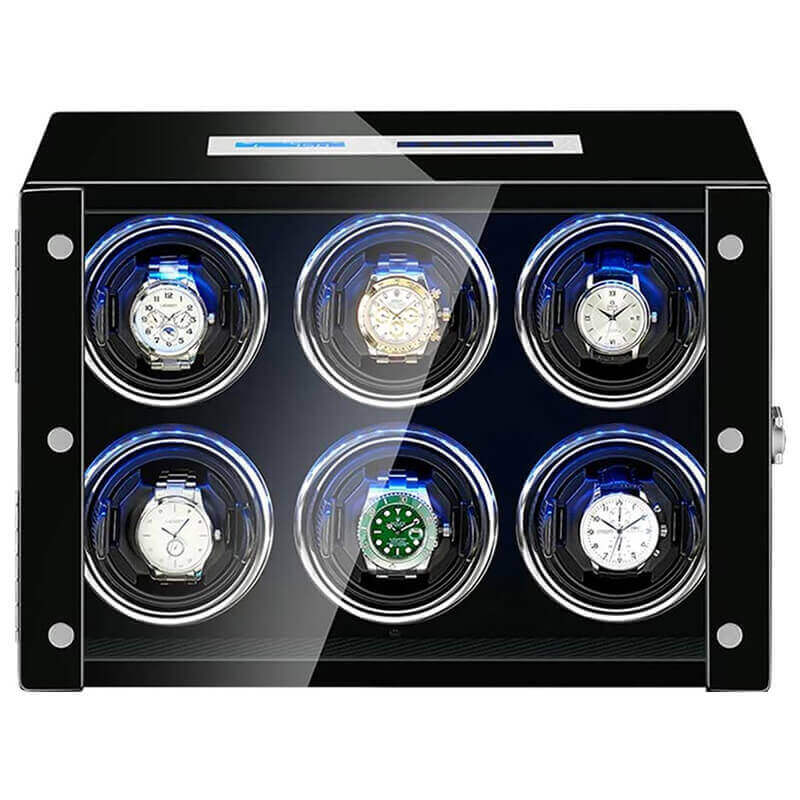
You need a watch winder if you own an automatic watch that you don’t wear every day and you want it to keep running, so it’s set to the right time and date whenever you pick it up. If you wear one automatic daily, or you own only quartz watches, you don’t need one. The rest of this guide explains how to decide, how to set a winder correctly, and how to choose the right size and style.
What a Watch Winder Actually Does
An automatic (self-winding) watch winds its mainspring from the movement of your wrist. A weighted rotor inside the case spins as you move, and that motion tightens the spring.
When you take the watch off, it runs on its stored energy, called the power reserve. Once that reserve is used up, the watch stops. You then have to wind it, reset the time and, on many models, reset the date as well.
A winder holds the watch on a small cushion and rotates it in timed cycles. The rotation imitates wrist movement, so the rotor keeps the mainspring topped up while the watch sits at home.
Who Needs a Watch Winder and Who Doesn’t
The answer depends on what kind of watches you own and how often you wear each one. Use the checklist below to decide quickly.
A winder makes sense if
- You own two or more automatic watches and rotate between them.
- Your watch has a complication that is slow to reset, such as a date, day-date, moon phase or annual calendar.
- You wear a watch only at weekends or for occasions and want it ready to put on.
- You want a tidy, protected place to keep your automatics between wears.
Complications are the strongest reason. Setting a moon phase or a perpetual-style calendar by hand takes time, and some movements have hours when the date should not be changed. Keeping the watch running avoids that step entirely.
You can skip a winder if
- All your watches are quartz (battery-powered). They don’t use a rotor and gain nothing from rotation.
- Your watch is manual-wind only. It has no rotor, so a winder cannot wind it.
- You wear a single automatic every day, so your wrist keeps it wound.
- Your watches are time-only and you don’t mind setting them by hand.
Smartwatches and hybrid watches also don’t need a winder. They need a charger instead.
How to Set the Right TPD and Direction
Two settings matter on any winder: turns per day (TPD) and rotation direction. Getting them right keeps the watch wound without running the winder more than needed.
Turns per day (TPD)
TPD is the number of full rotations the winder makes in 24 hours. Each movement has its own requirement, and many brands publish it for their calibres.
Look up your watch’s recommended TPD from the manufacturer or the movement maker before you start. If you can’t find it, begin at a moderate setting and check over a few days whether the watch is still running and keeping time. Raise the setting if it stops, and lower it if it’s clearly running full with energy to spare.
Rotation direction
Some movements wind only when the rotor turns clockwise, some only counter-clockwise, and many in both directions. The manufacturer’s specification tells you which applies.
If your movement winds in both directions, the bidirectional setting is the usual choice. If it winds in one direction only, rotating the other way does no harm, but it also does no winding, so the watch can run down.
Setting up step by step
- Wind the watch by hand or wear it first, so it starts with a full power reserve.
- Set the time and date.
- Fit the watch onto the cushion with the strap or bracelet closed around it, snug enough that it won’t slip.
- Choose the TPD and direction for that watch.
- Check the watch after two or three days and adjust if needed.
Many modern automatic movements use a slipping mainspring, which stops the spring from being wound past full. Even so, there is no benefit in running a winder far above the recommended TPD.

How Many Watch Slots You Need
Count only the automatics you want to keep running, not your whole collection. Then add one slot if you expect to buy another automatic.
| Winder size | Best for | Things to consider | Example |
|---|---|---|---|
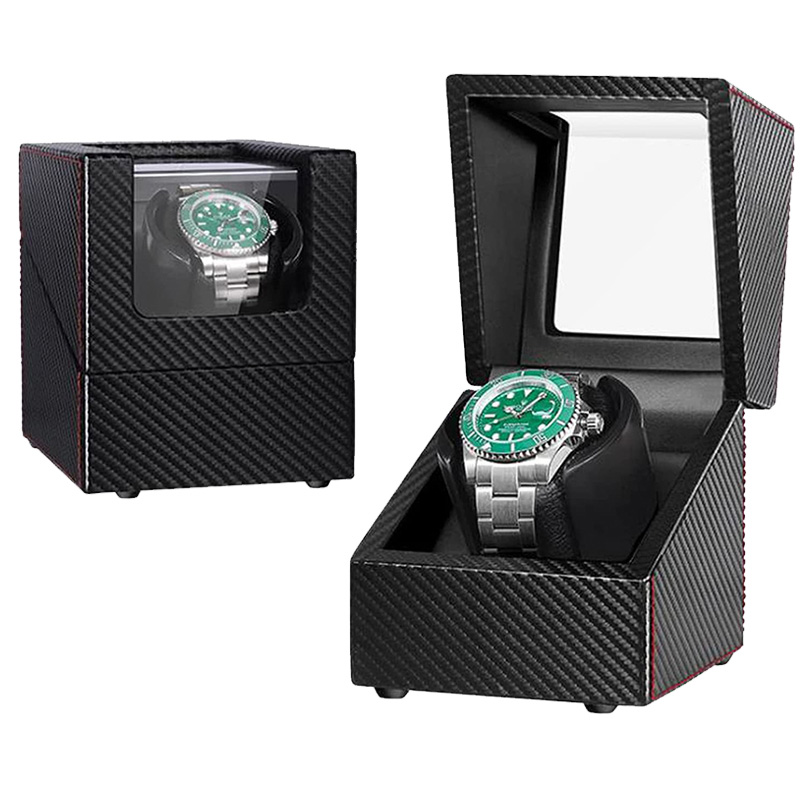
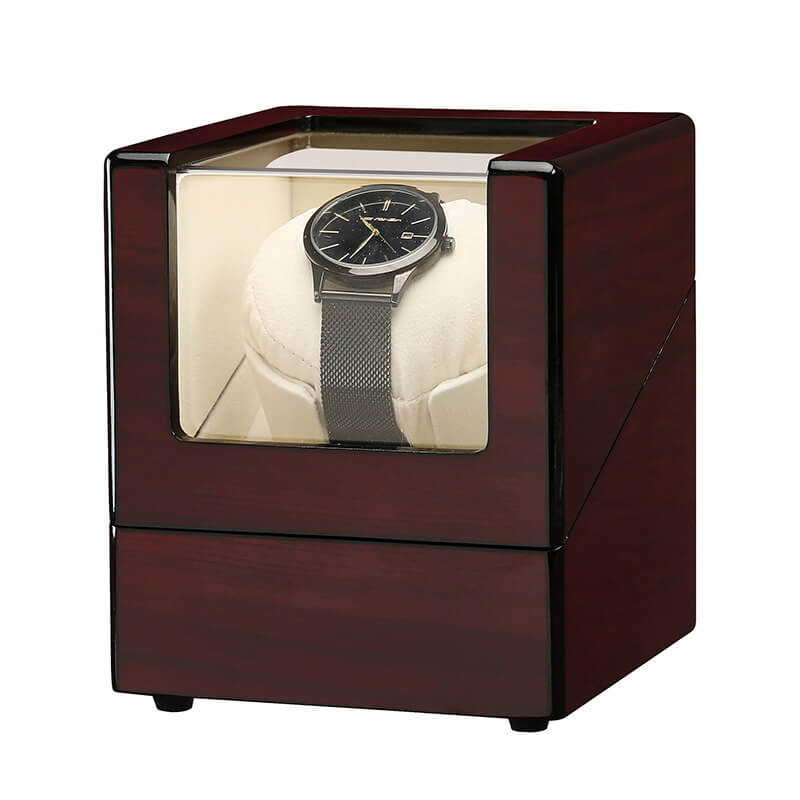
| Single | One weekend or occasion watch | Smallest footprint; fits a nightstand or shelf | Black Carbon Fiber Single |
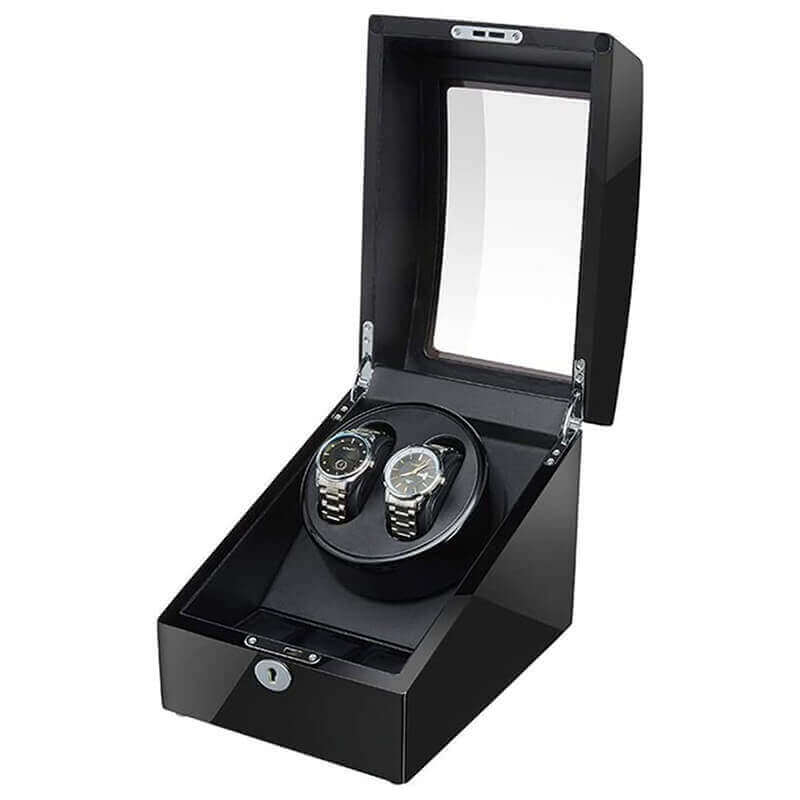
| Double with storage | Two automatics plus a few quartz or manual watches | Combines winding with a storage compartment | Piano Black Double with Storage |
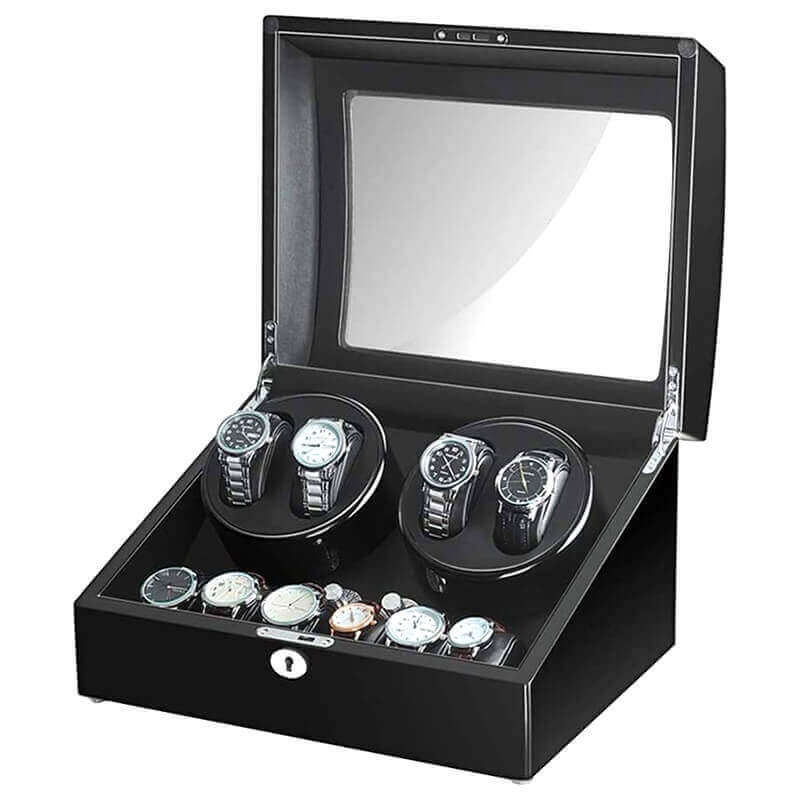
| Four watches | A small rotation of automatics | Check whether watches can be set to different programmes | Piano Black for 4 Watches |
| Six watches | A growing collection | Look for separate settings per slot and a clear display | Touch Screen LED for 6 Watches |
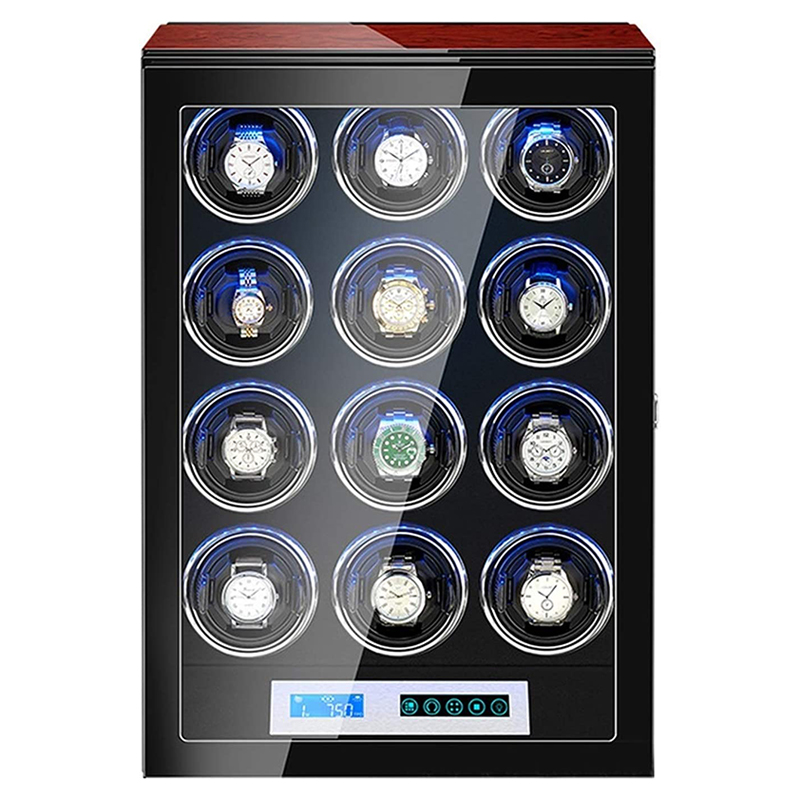
| Twelve watches | A large collection kept in one place | Needs dedicated space; usually a furniture-style case | Dark Cherry for 12 Watches |
A common mistake is buying a single winder for a collection of three or four automatics, then rotating which one gets wound. That brings back the resetting you were trying to avoid.
Also keep in mind that a winder with storage gives you space for watches that don’t need winding, such as quartz or manual-wind pieces, in the same box.
Choosing a Finish and Features
Once you know the size, choose a winder that suits the room it will live in and the way you use it.
Finish and materials
Piano black lacquer and carbon fibre look modern and suit a desk or dressing room. Wood finishes, such as the Mahogany Watch Winder, sit more comfortably with traditional furniture.
Leatherette finishes, such as the Alligator Leatherette Winder for 4 Watches, pair well with a leather strap collection and give a softer look than lacquer.
Features worth checking
- Adjustable TPD and direction settings, ideally per watch on multi-slot models.
- Cushions that hold both small and large straps or bracelets securely.
- A quiet motor if the winder will sit in a bedroom.
- A lid or window that keeps dust off the watches.
- Extra storage drawers or trays if you also keep straps and tools nearby.
Read each product page for its exact settings, power options and dimensions before buying, since these differ between models.
Common Watch Winder Mistakes
Most problems with winders come from setup rather than the winder itself. Avoid these:
- Using the factory setting for every watch. Different movements need different TPD and directions.
- Starting with a stopped watch. A winder maintains a power reserve; wind the watch first so it starts full.
- Loose fitting on the cushion. A watch that slips can rattle and won’t rotate evenly.
- Putting quartz watches on a winder. It does nothing for them; store them in a tray instead.
- Placing the winder in direct sun or near a heat source. Heat and sunlight are hard on leather straps and finishes.
- Leaving magnets near watches. Keep phones, speakers and magnetic clasps away from the movement.
If a watch still stops on the winder after you’ve raised the TPD, have it checked by a watchmaker. The movement may need servicing.
Where Winders Fit in Your Watch Storage
A winder is one part of a storage setup. Automatics you wear in rotation go on the winder, while everything else can live in a box, roll or case.
Our watch winders category covers single, double, multi-watch and storage models. You can also browse the watch winders collection, and see boxes, rolls and cases in watch storage.
Here are the winders mentioned in this guide:
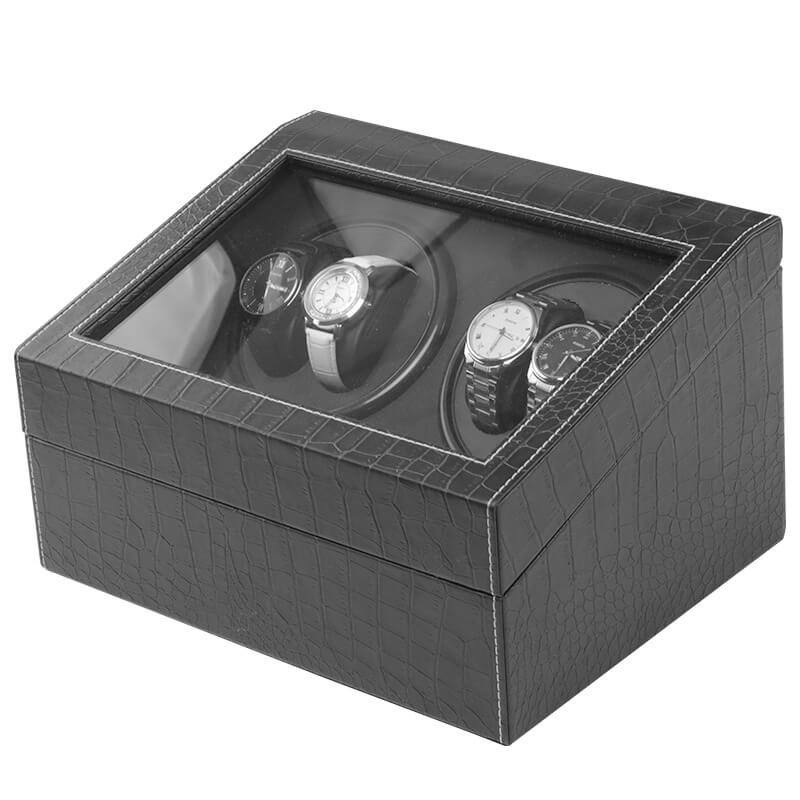
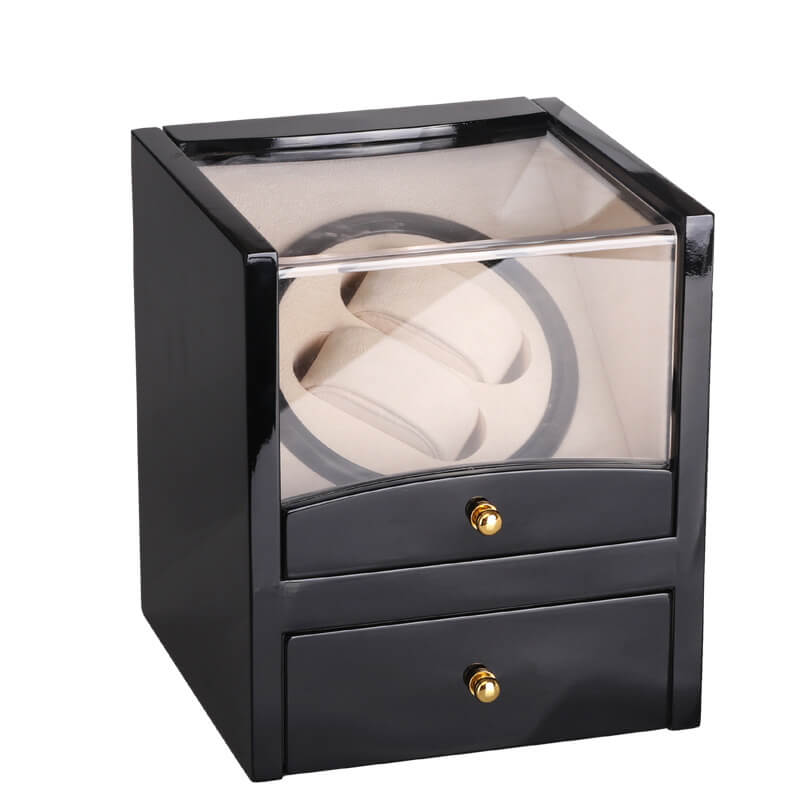
Watch Winders
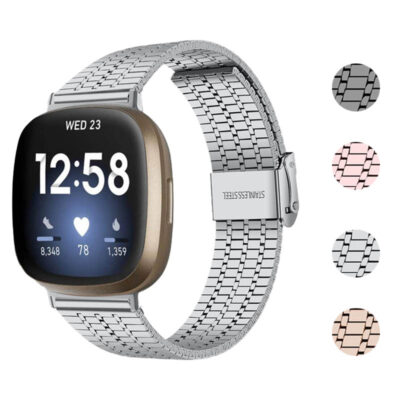
Minimalist Bracelet For Fitbit Versa 4
$21.99 $25.99Price range: $21.99 through $25.99
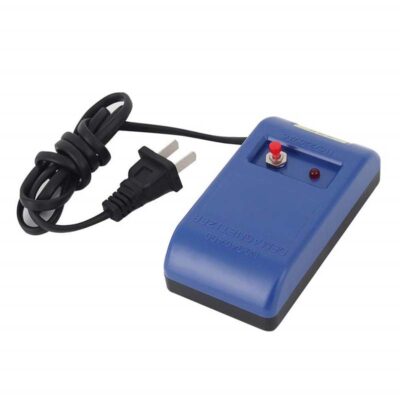
Watch Demagnetizer
$29.99
Pro Mesh Strap For Garmin Approach S70 - 47mm
$39.99 $44.99Price range: $39.99 through $44.99