November 2, 2026
How to Change a Watch Band at Home: Spring Bars, Quick Release and the Right Tools
Changing a watch band takes a few minutes with a spring bar tool, or none at all with quick release. Here's how to remove and fit a band safely and choose the right spring bars.
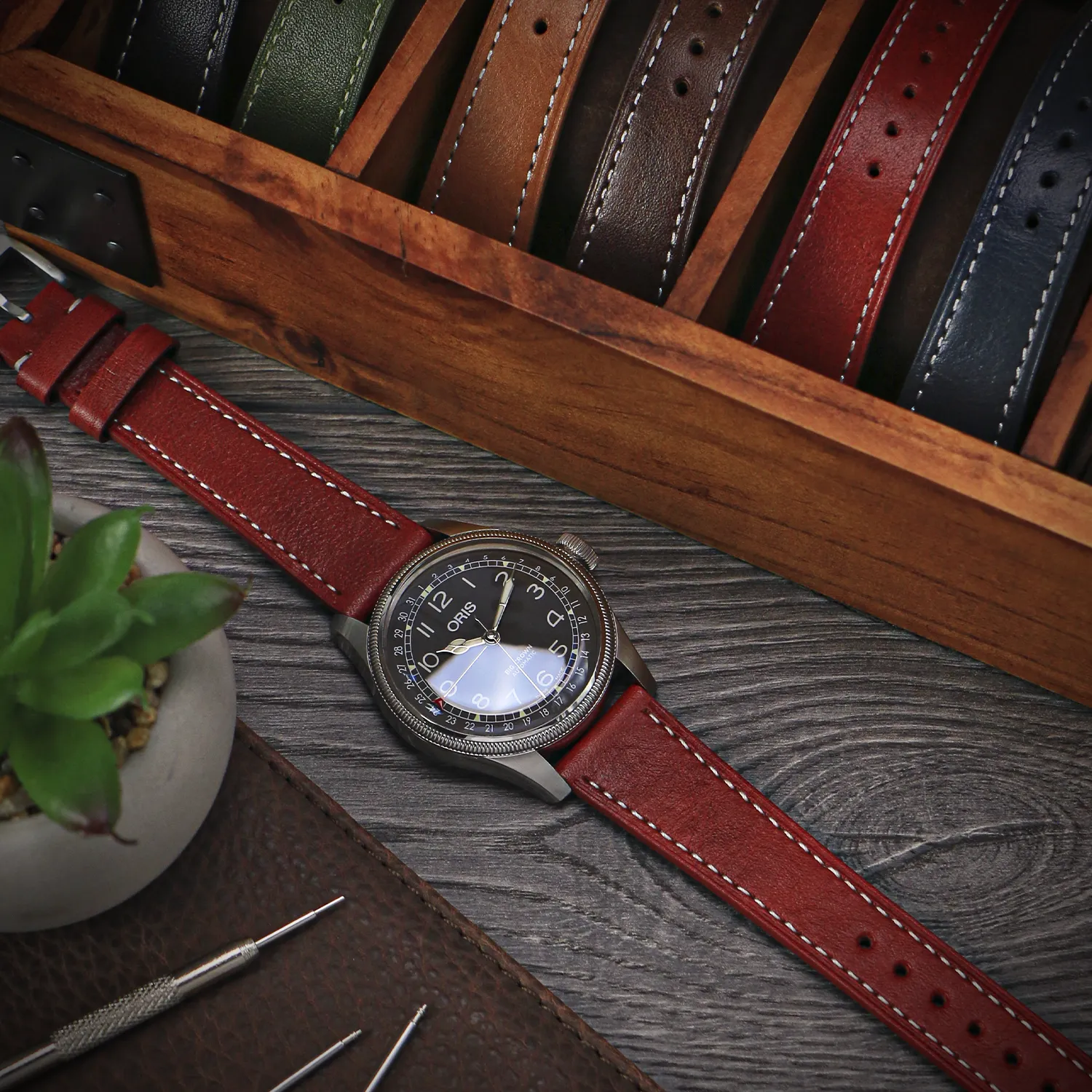
To change a watch band, compress the spring bar that holds the band to the watch, ease the band out of the lugs, then fit the new band with its spring bar and let the bar click into the lug holes. With a quick release band, you just slide a small lever instead of using a tool. The whole job takes a few minutes. This guide covers both methods, the tools that make it easier, and how to avoid scratches and lost spring bars.
How a Watch Band Attaches to the Watch
Most watch bands are held on by spring bars. A spring bar is a thin metal tube with a spring-loaded pin at each end.
The bar passes through the end of the band. Its two pins sit in small holes on the inside of the lugs, the four horns that stick out from the watch case.
To release the band, you push one pin into the tube so it clears its lug hole. The bar then tilts out and the band comes free.
Standard spring bars
Standard spring bars have a small shoulder, or flange, just behind each pin tip. You need a tool to catch that shoulder and compress the pin.
They are the most common fitting on leather, rubber and metal watch straps. Most watches with a traditional band use them.
Quick release spring bars
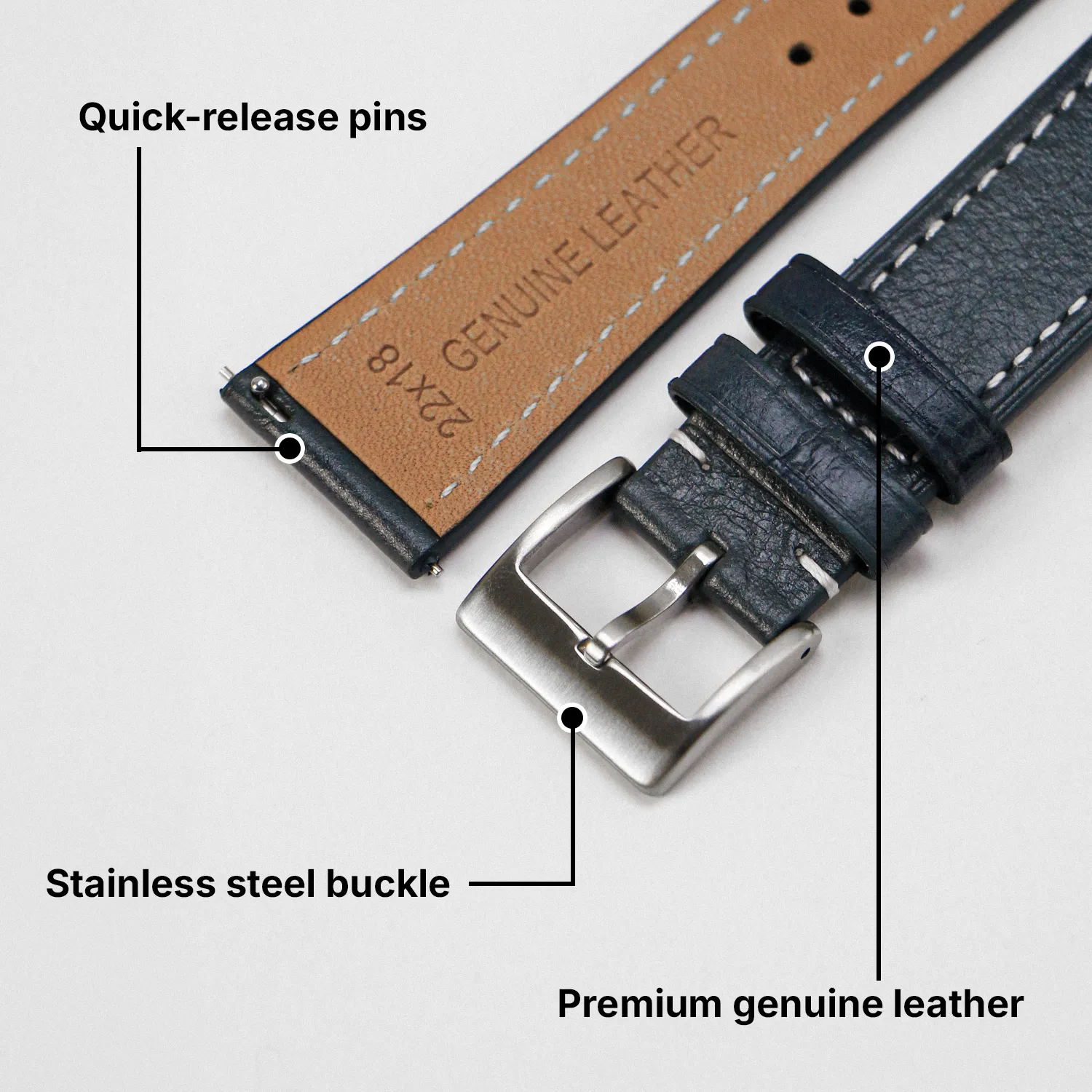
Quick release spring bars have a small lever on the side of the bar. Sliding the lever pulls the pin in, so you can change the band by hand without a tool.
Many bands are sold with quick release bars already fitted. You can also fit quick release spring bars to most standard straps, as long as the strap’s tube is open enough to reach the lever.

Tools You Need to Change a Watch Strap
For standard spring bars, you need one tool with a forked tip. A soft work surface and some low-tack tape help protect the watch.
- Spring bar tool: a pen-shaped tool with a fork at one end and often a pin pusher at the other.
- Soft cloth or mat: stops the case and crystal getting scratched while it lies face down.
- Low-tack tape: covers the lugs so a slipping tool doesn’t mark the metal.
- Spare spring bars: useful because old bars can bend, weaken or fly off and get lost.
- Good light: makes it easier to see the pin and the lug hole.
A spring bar tool covers most jobs. Spring bar compression pliers compress both ends at once, which helps with tight lugs and with fitting metal bracelets. You’ll find tweezers, pin pushers and other options in our removal tools.

How to Remove a Watch Band Step by Step
Take your time with removal. Most scratches happen when the tool slips off the spring bar.
- Lay the watch face down on a soft cloth, with the band spread out flat.
- Find the gap between the band and the lug. You should see the spring bar inside.
- Slide the forked tip of the tool between the band and the lug until it catches the shoulder of the spring bar.
- Push the tip gently towards the middle of the watch to compress the pin.
- When the pin clears the lug hole, tilt the band end away from the lug. Keep a finger over it so the bar doesn’t spring away.
- Repeat on the other side, then keep the spring bars if you plan to reuse them.
If your lugs have holes drilled right through to the outside, you can push the pin from outside with the pointed end of the tool. This is easier and safer for the case.
How to Put On a New Watch Band
Fitting a band is the reverse of removal. It needs a little more care because you have to line the pin up with a hole you can’t fully see.
Fitting a band with standard spring bars
Slide a spring bar through the end of the new band so the same length shows on each side. Place one pin into its lug hole first.
Use the forked tool to compress the other pin, slide the band end down between the lugs, and let go when the pin reaches its hole. You should hear or feel a small click.
Fitting a quick release band
Seat the pin on the side without the lever into its lug hole. Pull the lever to retract the other pin.
Line the band up between the lugs and release the lever. The pin should snap into the hole.
Check it’s secure
Pull each side of the band gently away from the case. Then try to slide the band end sideways between the lugs.
If either end moves or rattles, a pin isn’t fully seated. Remove it and fit it again before you wear the watch.
Choosing the Right Spring Bars and Band Size
A new band only fits if its width matches the gap between your lugs. That measurement is called the lug width, and our watch strap size guide shows how to measure it.
Spring bars are sized by length and diameter. The length should match your lug width, and the diameter should match what your lugs and band were made for.
| Spring bar type | How it releases | Typical use | Tool needed |
|---|---|---|---|
| Standard spring bar | Compress the pin by its shoulder | Most leather, rubber and fabric straps | Spring bar tool |
| Quick release spring bar | Slide the side lever | Owners who swap bands often | None |
| Thick spring bar (1.8mm) | Compress the pin by its shoulder | Sports and dive watches with larger lug holes | Spring bar tool |
| Fat spring bar (2.5mm) | Compress the pin by its shoulder | Certain dive watches, such as some Seiko models | Spring bar tool |
| Curved spring bar | Compress the pin by its shoulder | Metal bracelets with curved end links | Spring bar tool or pliers |
If you’re not sure which size you need, a spring bar kit with assorted lengths lets you test the fit. You can also browse single sizes in our spring bars range.
Common Mistakes When Changing a Watch Band
Most problems come from rushing or using the wrong part. Watch out for these:
- Prying against the case. Push on the spring bar shoulder, not the lug, or the tool will slip and scratch the metal.
- Reusing a bent spring bar. A bent or weak bar can release on its own. Replace it.
- Using the wrong length. A bar that’s too short won’t reach both holes. One that’s too long won’t fit between the lugs.
- Not checking the fit. Always tug both ends before wearing the watch.
- Working over a hard floor. Spring bars are small and easy to lose. Work over a cloth or a tray.
- Forcing a tight band. Thick leather ends can be snug. Compress the pin fully rather than forcing the band in.
When to Choose a Quick Release Watch Band
If you like to switch bands to suit your outfit or activity, quick release saves time and avoids tools near the case. It also makes travelling with a spare strap simple.
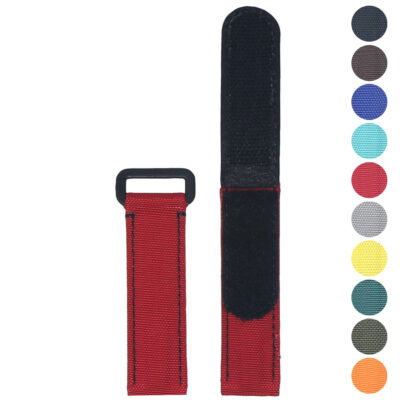
The Stitched Heritage Strap with Quick Release is one example. You can see more styles and materials in our quick release watch bands.
Here are the tools and parts mentioned in this guide:


Spring Bars


Replacement Screws For Garmin Approach S60
$10.99 $12.99Price range: $10.99 through $12.99

Salvage Leather Strap For Garmin Descent Mk2i
$34.99 $37.99Price range: $34.99 through $37.99

371 Renata Watch Battery
$3.99 $11.99Price range: $3.99 through $11.99





Pro Mesh Strap For Garmin Venu 3S
$34.99 $39.99Price range: $34.99 through $39.99

Stitched Rubber Strap For Fitbit Charge 5
$22.99 $24.99Price range: $22.99 through $24.99

Screen Protector For Garmin Forerunner 225
$4.99 $9.99Price range: $4.99 through $9.99