October 28, 2026
How to Find Your Watch Strap Size: Measuring Lug Width and Wrist Size
Lug width decides which straps fit your watch; wrist size decides whether they fit you. This guide shows how to measure both, read strap sizes, and size metal bracelets at home.


Two Measurements Decide Whether a Strap Fits
A new strap can be the perfect colour and material and still be wrong, either because it does not fit between the lugs of your watch or because it is too short or too long for your wrist. The good news is that you only need two numbers to get it right: the lug width of your watch and the circumference of your wrist. Both take a couple of minutes to measure, and once you know them you can shop any size of strap with confidence.
This guide explains how to take each measurement, how to read the sizes listed on strap pages, and what to do with smartwatches and metal bracelets, which follow slightly different rules. If you are still choosing a material, our guide to choosing the right watch strap material covers that side of the decision.

Step 1: Measure Your Watch’s Lug Width
Lug width is the distance between the inside edges of the two lugs, the small horns on the watch case where the strap attaches. It is always given in millimetres, and it is the single most important number when buying a strap. A strap that is too narrow leaves a visible gap and can slide along the spring bar; one that is too wide simply will not fit.
How to measure it
- Lay the watch face down on a soft cloth so the crystal does not get scratched.
- Place a ruler or, better, a pair of digital calipers between the inner faces of the lugs.
- Read the measurement in millimetres. Most watches land on a whole number, such as 18, 20 or 22 mm.
- Measure both ends of the watch. They are almost always the same, but it takes a second to confirm.
Two quicker checks are worth trying first. Many straps have their width stamped on the underside, often next to the buckle, so your current strap may already tell you the answer. The watch manufacturer’s manual or product page usually lists the lug width too.
Do not round to the nearest even number
Even widths such as 18, 20, 22 and 24 mm are the most common, but odd widths are real. Plenty of dress and vintage watches use 17, 19 or 21 mm, and a 20 mm strap squeezed into 19 mm lugs will bunch up, while a 20 mm strap in 21 mm lugs leaves a gap. If your measurement comes out at an odd number, shop that size. Our 19 mm and 21 mm collections exist for exactly that reason.
Lug width is not case size
A common mistake is to buy a strap that matches the case diameter. A 40 mm watch does not take a 40 mm strap; as a loose rule of thumb, lug width tends to be roughly half the case diameter, so a 40 mm case often has 20 mm lugs. Treat that as a sanity check, not a measurement, because designs vary.
| Lug width | Where you typically find it |
|---|---|
| 16–18 mm | Smaller dress watches and many women’s watches |
| 19–21 mm | Classic dress and vintage-style watches |
| 20–22 mm | The most common range for everyday, field and dive watches |
| 24 mm and up | Large sports, pilot and oversized watches |
Step 2: Measure Your Wrist
Lug width makes a strap fit the watch. Wrist size makes it fit you. Measure where you actually wear the watch, which for most people is just above the wrist bone, toward the hand.
- Wrap a soft tape measure around your wrist at that spot, snug but not tight.
- No tape measure? Wrap a strip of paper or string around your wrist, mark where it overlaps, then lay it flat against a ruler.
- Write the number down in millimetres or centimetres. That is your wrist circumference.
A well-fitted strap should let you slide a finger between the strap and your wrist. Tighter than that feels uncomfortable by the afternoon, while looser lets the watch spin around and, on a smartwatch, can upset heart-rate readings. Keep in mind that wrists swell slightly in heat and after exercise, so a strap with a few spare holes is your friend.
Matching your wrist to strap length
Two-piece straps are usually described by the length of each piece, for example a long side and a short side, or by the overall wrist range they suit. The strap needs enough holes to sit comfortably at your wrist size with some adjustment in both directions. Before you order, check the length or wrist range listed on the product page and compare it with your measurement.
If you have a larger wrist, or you like to wear a watch over a jacket cuff, an extra-long strap saves you from using the very last hole. Browse 20 mm extra long straps for an example of the range. Smaller wrists, on the other hand, often look and feel better with a short strap, so the tail does not overshoot the keeper.
Step 3: Check the Fit Details That Are Easy to Miss
Taper
Many straps are wider at the lugs than at the buckle, for example 20 mm at the watch narrowing to 16 mm at the buckle. Taper is a style choice: a strong taper looks dressy and slim, while a straight strap looks sportier and sturdier. It also matters if you want to reuse a favourite buckle, because the buckle has to match the strap’s width at the far end, not the lug width.
Spring bars and quick release
Most watches hold the strap with spring bars, small spring-loaded pins that sit in holes inside the lugs. Swapping them takes a spring bar tool and a little care. Quick release straps have a tiny lever on each bar, so you can change them by hand in seconds. If you like to switch straps often, the quick release watch bands collection fits any watch with standard drilled or undrilled lugs of the right width.

Smartwatches Follow Their Own Sizing Rules
Smartwatches often skip lug width entirely and use their own connectors. The good news is that this makes sizing simpler, as long as you know which system your watch uses:
- Apple Watch: bands are grouped by case size rather than lug width, so check that the band lists your case size, such as 41 mm or 45 mm.
- Samsung Galaxy Watch: recent Galaxy Watch models use standard 20 mm quick release bands, so any well-fitting 20 mm quick release strap works.
- Garmin: many models use QuickFit bands in 20, 22 or 26 mm. The size depends on the model, so check the band listing for yours. Our QuickFit 22 collection is a good place to start.
- Fitbit and other trackers: these usually use model-specific connectors, so shop by the exact model name.
Model-specific bands still need to fit your wrist, so the wrist measurement from Step 2 applies here too. Many smartwatch bands come in S, M and L sizes for exactly that reason.
Sizing a Metal Bracelet at Home
Metal link bracelets usually arrive longer than you need and are shortened by removing links. It looks fiddly, but with the right tool it takes about ten minutes.
- Put the bracelet on and pinch the excess together under your wrist to see how many links need to go.
- Look for small arrows on the inside of the links. They show which way to push the pins out.
- Use a link removal tool to push out the pin, following the arrow direction.
- Remove links evenly from both sides of the clasp, so the clasp sits centred under your wrist.
- Reconnect the bracelet and push the pin back in against the arrow direction until it is flush.
- Try it on. If it is slightly tight or loose, use the clasp’s micro-adjustment holes if it has them.
Keep the removed links and pins in a small bag. Your wrist can change over time, and you may want to add a link back later.

The Tools That Make Sizing Easy
You do not need a jeweller’s bench to size and swap straps. A spring bar tool, a link removal tool and a soft cloth cover almost every job. If you would rather have everything in one box, a watch tool kit bundles the essentials. The full range lives under removal tools.


Quick Sizing Checklist
- Measure lug width in millimetres, between the inner edges of the lugs.
- Buy that exact width, including odd sizes such as 19 or 21 mm.
- Measure your wrist where you wear the watch, and compare it with the strap’s listed length.
- Check taper if you plan to reuse a buckle.
- For smartwatches, shop by model or connector system instead of lug width.
- For bracelets, remove links evenly from both sides of the clasp.
With those two numbers in hand, every strap page becomes easy to read. Start with your size, such as 20 mm or 22 mm watch straps, and choose the style you like.
20mm Watch Bands


Stainless Steel Band
$34.99 $44.99Price range: $34.99 through $44.99

Replacement Butterfly Clasp
$23.99 $27.99Price range: $23.99 through $27.99

Smooth Italian Leather Quick Release Strap By DASSARI
$29.99 $32.99Price range: $29.99 through $32.99
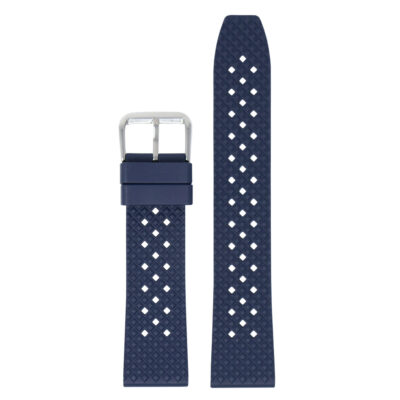


One-Piece Explorer Strap with Deployant Clasp
$44.99 $49.99Price range: $44.99 through $49.99


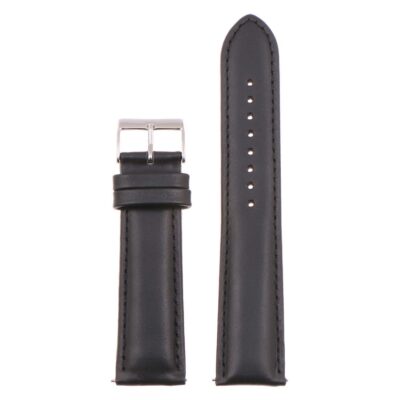

Thin Mesh Strap
$25.99