November 8, 2026
Deployant Clasp Guide: Butterfly vs Folding Types, Sizing and Fitting
A deployant clasp folds open and shut so your strap never has to be threaded through a buckle. Here's how the main types differ, how to size one to your strap, and how to fit it at home.
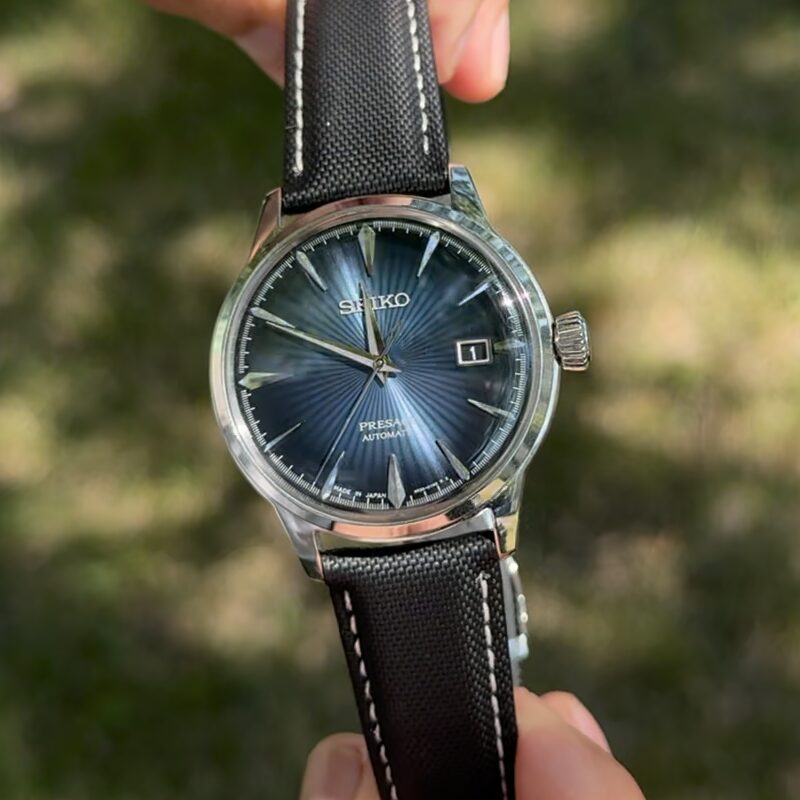
A deployant clasp is a folding metal closure that replaces a traditional pin buckle. Instead of threading the strap through a buckle each time, you set the length once and then simply open and close the clasp. That makes the watch quicker to put on, harder to drop, and kinder to leather straps, which no longer get bent at the same holes every day. To choose one, match the clasp width to the buckle end of your strap, then pick the style you prefer: butterfly, single fold or folding.
This guide explains how each type of deployant clasp works, how to measure for the right size, how to fit one at home, and which straps pair best with it.
What Is a Deployant Clasp and How Does It Work?
A deployant clasp (also spelled deployment clasp) is made of hinged metal blades that fold flat under the wrist. The two ends of the strap attach to the clasp, so the strap forms a closed loop at the length you set. When you open the clasp, the loop expands enough to slide over your hand.
Because the strap stays fastened, the watch can’t slip off your wrist while you’re putting it on or taking it off. The length also stays the same every time, so there’s no hunting for the right hole each morning.
Why people switch from a pin buckle
The most common reason is strap wear. A pin buckle forces leather to bend sharply at the same holes, and over time those holes stretch and crease. A deployant clasp holds the strap at a fixed length, so the leather isn’t flexed through a buckle on every wear.
The other reason is convenience. Opening a clasp with one hand is quicker than unbuckling a strap, which matters if you take your watch off several times a day.
Types of Deployant Clasp Compared
Most clasps fall into three families. They all do the same job, but they attach to the strap differently and look different on the wrist.
| Type | How it opens | Strap attachment | Best for |
|---|---|---|---|
| Butterfly (double fold) | Two sets of blades fold out symmetrically, usually released with push buttons | Each strap end fixes to one side of the clasp | Leather, rubber and sailcloth straps where you want the closure to sit centred |
| Single fold butterfly | One blade folds out from a single side | One strap end fixes to the clasp, the other adjusts through it | Slimmer straps and a lower-profile closure |
| Folding (single blade) | A single blade hinges open from a frame | The strap passes through the frame and adjusts by hole | Dress watches and narrow straps |
If you’re unsure, a butterfly clasp is the most versatile choice. It sits flat under the wrist and opens evenly from the middle.
Butterfly Deployant Clasps
A butterfly clasp has two hinged sides that meet in the middle, like a pair of wings. Pressing the release buttons lets both sides fold open together. Closed, it forms a smooth bar that sits under the wrist.
Our Butterfly Deployant Clasp is a double-folding stainless steel design offered in widths from 10mm to 24mm and in brushed silver, polished silver, black, rose gold and yellow gold, so you can match it to the case of your watch.

Single fold butterfly clasps
A single fold version has one folding blade instead of two. It’s a little slimmer and lighter, and one strap end stays adjustable, which makes fine-tuning the fit easier.
The Single Fold Butterfly Deployant Clasp comes in 14mm to 22mm widths in polished steel, rose gold and yellow gold.

Folding Deployant Clasps
A folding clasp uses a single hinged blade attached to a frame. The strap passes through the frame, and the blade folds back on itself to close. It’s a neat, minimal design that suits slim dress straps.
Our folding Deployant Clasp is available from 12mm to 22mm in silver, yellow gold and rose gold. The narrower sizes make it a good fit for smaller watches with tapered straps.

You’ll find every replacement clasp we stock, including brand-style options, in our watch clasps category.
How to Size a Deployant Clasp
The clasp size is not your lug width. It’s the width of the strap at the buckle end, where the strap attaches to the clasp. Many straps taper, so a strap that is 20mm at the lugs may be narrower at the tail.
Follow these steps before ordering:
- Take off the current buckle or clasp, or look closely at where it attaches.
- Measure the strap width at that point in millimetres, edge to edge.
- Choose a clasp in that exact width. A clasp that is too wide leaves gaps; one that is too narrow won’t fit.
- Check the strap’s thickness. Very thick straps may not close neatly in a slim clasp.
- Pick a finish that matches your watch case so the steel tones look consistent.
If you’re still working out your lug width or wrist size, our guide on how to find your watch strap size covers both measurements.
How to Fit a Deployant Clasp at Home
Fitting a clasp takes about the same time as changing a strap. You’ll need a spring bar tool, a soft cloth to work on, and some patience while you set the length.
Attaching the strap
Remove the old buckle from the strap. On a butterfly clasp, attach one strap end to each side using the bars or pins supplied, so the clasp will sit in the centre of the underside of your wrist. On a single fold or folding clasp, fix one end and feed the other through the adjustable side.
Make sure every bar clicks fully into place. Give each end a firm tug before you wear the watch.
Setting the length
Close the clasp with the watch on your wrist and check the fit. You should be able to slide a finger under the strap, and the clasp should sit roughly centred under the wrist.
Adjust by moving the attachment to a different hole until the fit feels right. If the strap is cut-to-size, trim it only once you’re certain of the length, because a cut can’t be undone. For more on working with spring bars, see how to change a watch band.
Best Straps for a Deployant Clasp
Almost any two-piece strap can take a clasp, but straps designed for one sit better. They often have no keeper loops at the tail and a cleaner finish where the clasp attaches.
Good pairings include:
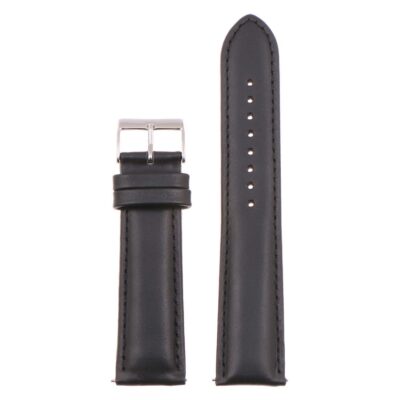
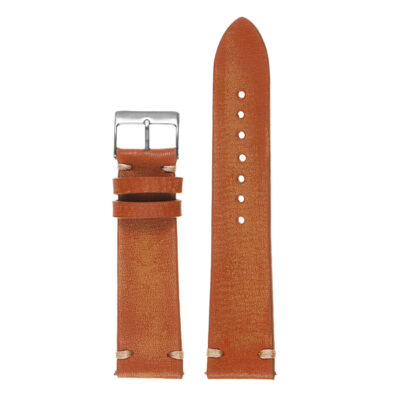
- Leather: gains the most, since the clasp spares it from repeated bending. The Smooth Leather Strap for Deployant Clasp is made for this.
- Sailcloth: textured and hard-wearing, with a sporty look that suits divers and field watches.
- FKM rubber: holds its shape well and suits a clasp for everyday sport wear.
- One-piece nylon: some styles come with a deployant clasp already fitted.
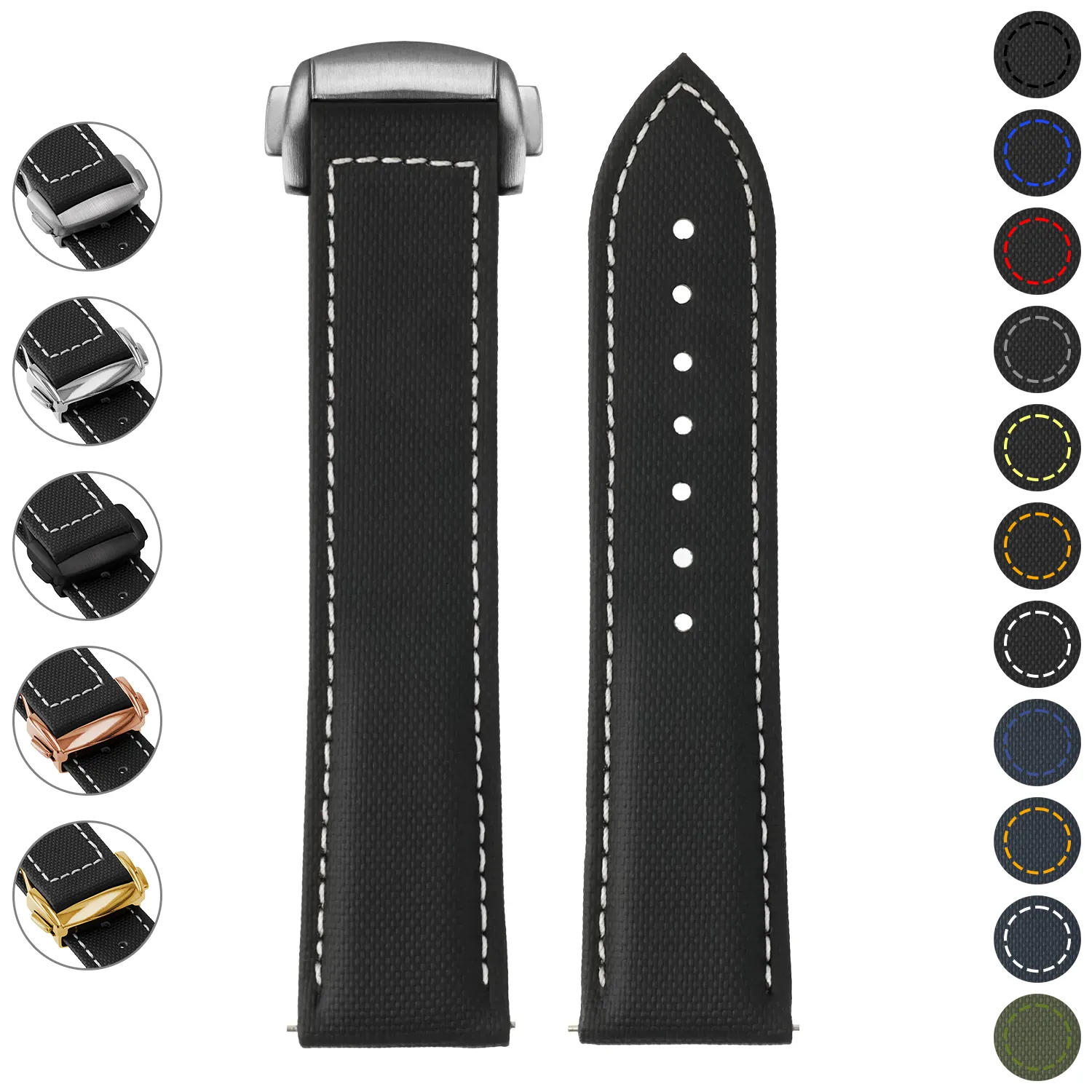
Browse our full range of straps for deployant clasp to find one in your size.
Common Deployant Clasp Mistakes to Avoid
Most problems with a deployant clasp come from sizing or fitting rather than the clasp itself. Check these before and after you fit one.
- Ordering by lug width. Measure the buckle end of the strap instead.
- Cutting the strap too early. Wear it for a day before trimming a cut-to-size strap.
- Setting it too tight. Wrists swell in heat and during exercise, so leave a finger’s width of room.
- Off-centre fitting. A clasp that sits to one side twists the watch head on the wrist.
- Mixing finishes. A polished clasp next to a brushed case can look mismatched.
Once it’s set up properly, a deployant clasp needs very little attention. Wipe it with a soft cloth now and then, and check the bars occasionally to make sure they’re still seated securely.


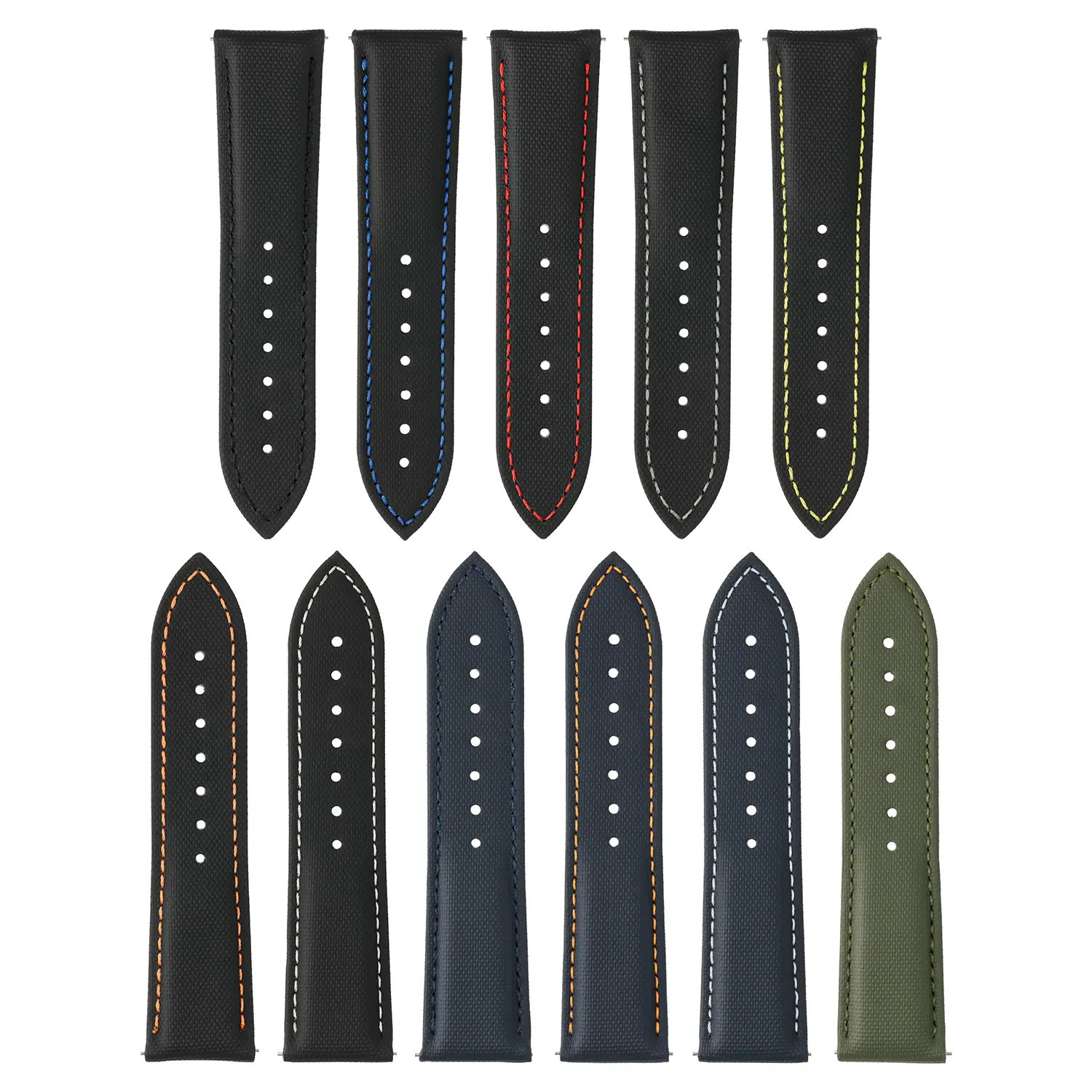



Straps for Deployant Clasp
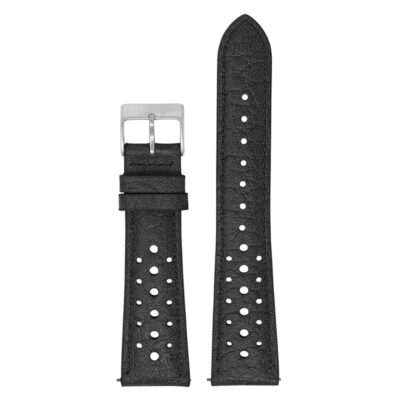


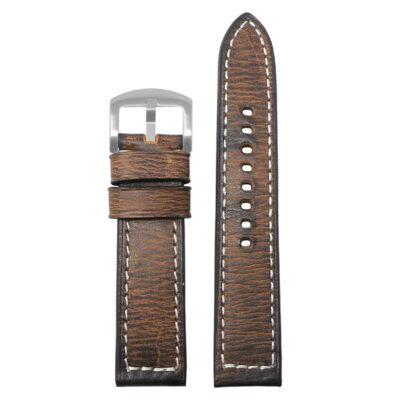
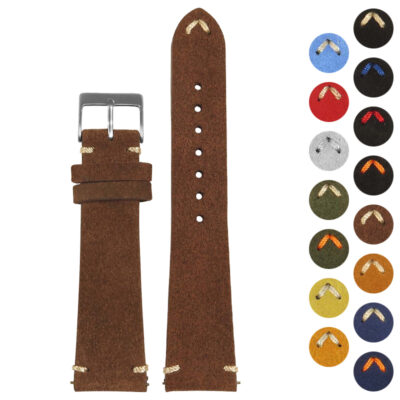




One-Piece Explorer Strap with Deployant Clasp
$44.99 $49.99Price range: $44.99 through $49.99